
Concrete Grinding and Grooving
Concrete Surface Grinding in TX and LA
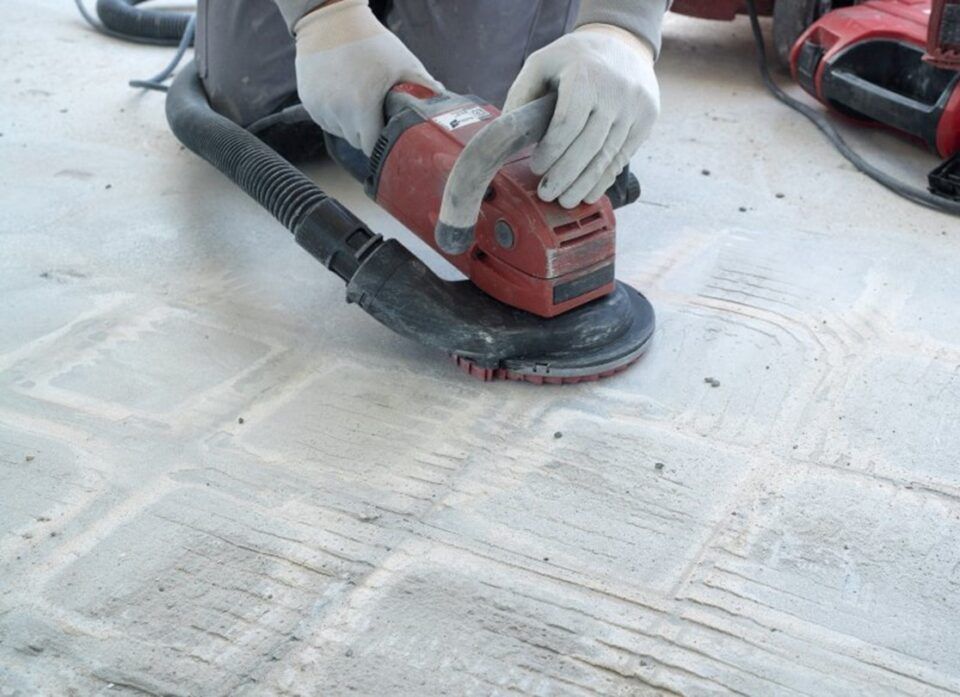
Concrete grinding is a crucial process for both industrial and commercial projects. This technique not only provides a stable foundation for creating safer and more durable surfaces but also plays a significant role in enhancing operational efficiency and achieving cost savings. At Ashton Sawing and Drilling, we specialize in expert concrete surface grinding across TX and LA. Our dedicated services are designed to improve the safety, longevity, and performance of concrete surfaces, ensuring that every project is executed with the highest level of precision and utmost care, meeting the unique needs of our clients.
Creating Smooth Finishes and Textures
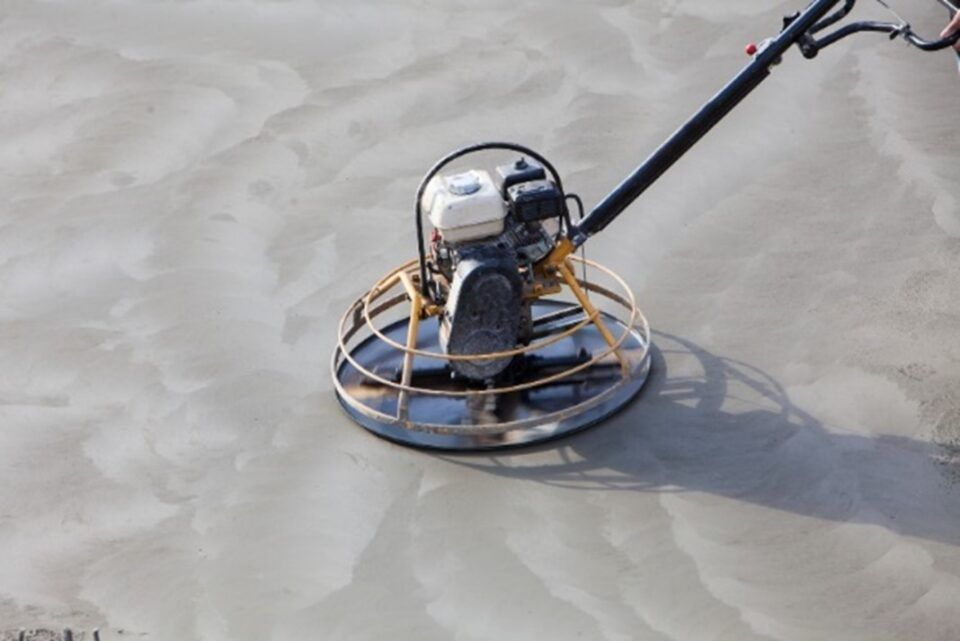
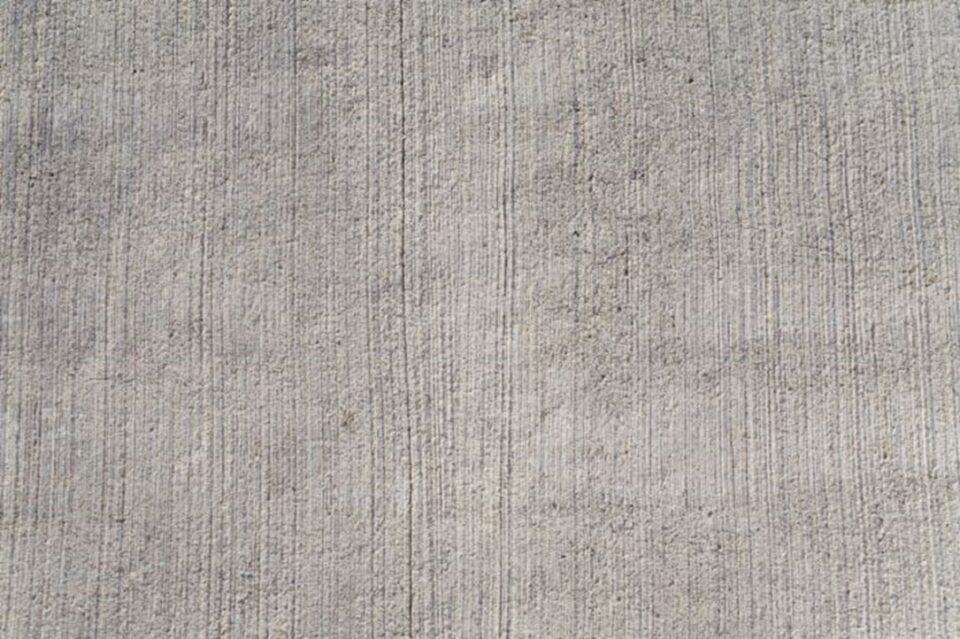
The process of concrete grinding achieves a smoother finish or specific texture needed for high-performance surfaces. This step is essential in addressing surface imperfections and ensuring optimal traction for a variety of applications. By methodically grinding the surface, we remove irregularities and provide a uniform texture that interacts better with footwear and machinery tires. This process creates micro-grooves that increase the friction. Such grooves channel water away, minimizing the risk of slipperiness, even in wet conditions. This attention to safety is crucial for ensuring the well-being of workers and visitors while also meeting industry regulations. Enhanced traction not only boosts safety but also improves the longevity of the concrete by reducing wear.
Concrete Grooving vs. Grinding
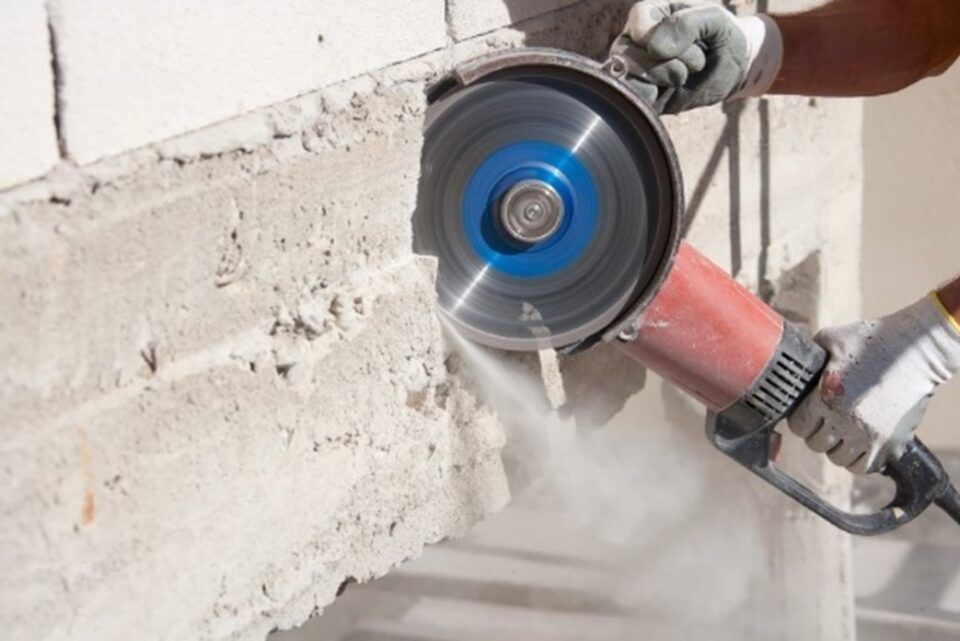
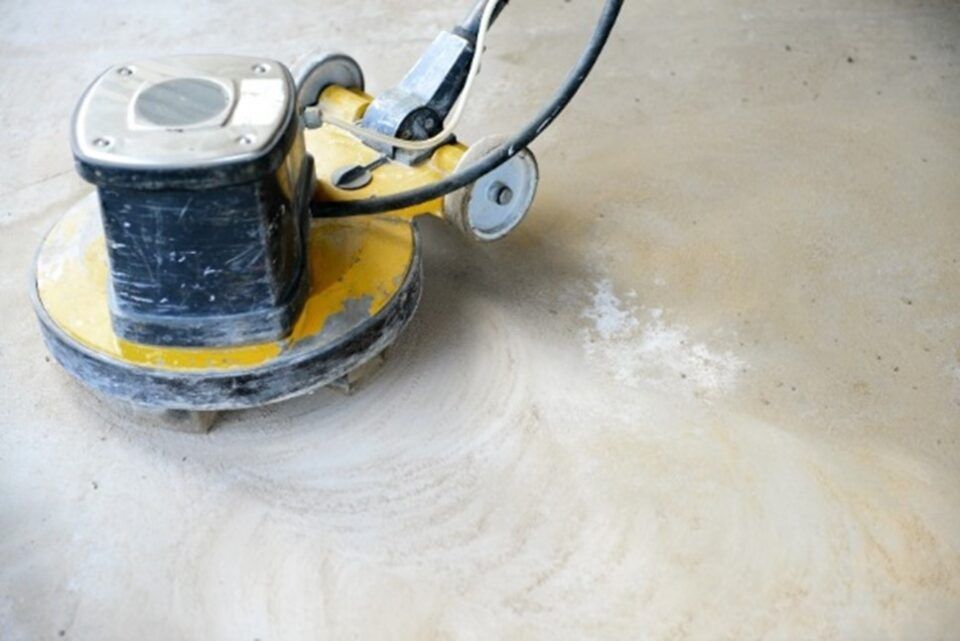
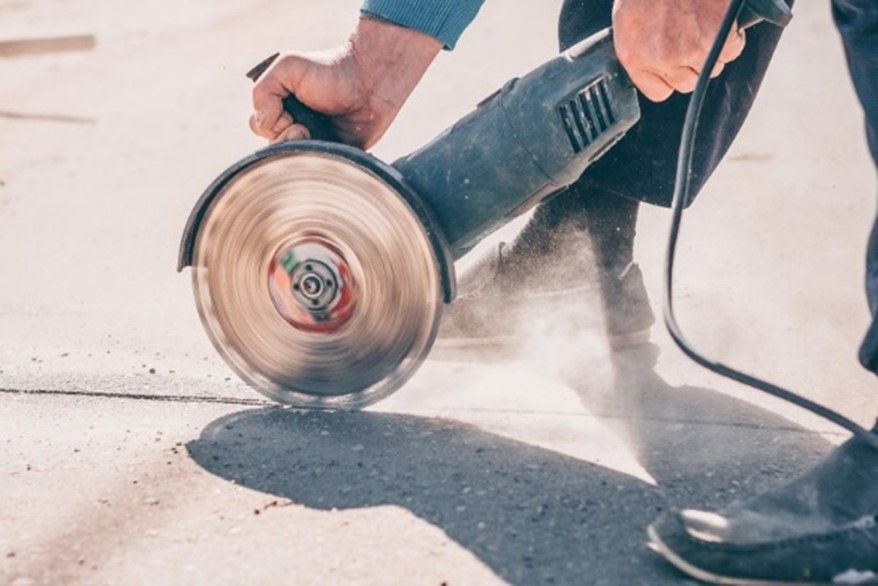
While similar, concrete grooving and surface grinding are different processes altogether. Each of these techniques have distinct functions in commercial and industrial construction projects. Concrete grinding creates a smooth, level surface by eliminating imperfections and inconsistencies. This is an essential step in preparing for additional treatments and ensuring proper stability. Concrete grooving involves cutting small channels into the concrete in order to enhance traction and prevent puddles from collecting on the surface. This is most useful in high-traffic areas or environments that are frequently exposed to water.
Proper Surface Preparation
To ensure new installations adhere properly to existing structures, the surface of the concrete needs to be properly prepped. This process of surface preparation removes imperfections, contaminants, and old coatings from concrete surfaces in order to make repairs more effective and long-lasting. Both new installations and repair projects need this essential step before construction can be completed. It also ensures that the concrete surface is clean, smooth, and ready for any subsequent treatments, such as sealing or coating. Our team can provide these services to help you achieve a durable and aesthetically pleasing finish.
Improving Traction
Concrete grooving is essential for a variety of applications, primarily in areas that require slip-resistant surfaces and effective water drainage. High-traffic areas such as highways, airport runways, and industrial floors benefit from grooving due to the increased traction it provides, reducing the risk of accidents. Environments frequently exposed to water, like parking structures, loading docks, and factory floors, also require grooving to channel water away and prevent slippery surfaces. Incorporating grooving into these applications improves both safety and maintenance costs, as the grooved surfaces are more durable and resistant to wear.
Precision Surface Leveling
To ensure new installations adhere properly to existing structures, the surface of the concrete needs to be properly prepped. This process of surface preparation removes imperfections, contaminants, and old coatings from concrete surfaces in order to make repairs more effective and long-lasting. Both new installations and repair projects need this essential step before construction can be completed. It also ensures that the concrete surface is clean, smooth, and ready for any subsequent treatments, such as sealing or coating. Our team can provide these services to help you achieve a durable and aesthetically pleasing finish.
Commitment to Quality and Customer Service
As a family-oriented business, we place a strong emphasis on building lasting relationships with our clients. Our approach revolves around truly understanding your unique needs and crafting personalized solutions that not only meet but exceed your expectations. We specialize in offering comprehensive solutions for proper concrete preparation and surfacing, ensuring that every detail is taken into account. Our goal is to deliver quality results that meet the highest industry standards for your construction and remodeling needs.
Frequently Asked Questions
What Is Concrete Grinding Used For?
Concrete grinding is used when a slab is still structurally sound, but the surface needs work. It’s mainly used to correct surface problems and prep concrete for the next step of a project. Common uses include:
- Flattening uneven concrete slabs
- Removing surface imperfections or wear
- Prepping floors for coatings or overlays
- Cleaning up construction joints or transitions
- Eliminating minor trip hazards in high-traffic areas
- Improving overall surface consistency in large slabs
What Is Concrete Grooving Used For?
Concrete grooving focuses entirely on safety and performance, especially in wet weather. Grooving is heavily utilized in high-risk zones such as sharp highway curves, toll plazas, bridge decks, and airport runways.
By creating intentional channels, grooving allows water to escape quickly from beneath tires. This significantly reduces the risk of hydroplaning and improves skid resistance.
Can Grinding Remove Old Coatings or Adhesives?
Yes, concrete grinding is often used to remove old coatings, adhesives, paint, and surface contaminants. It is one of the most effective methods for preparing concrete for new finishes or overlays.
What Are the Benefits of Concrete Grinding?
The benefits of concrete grinding are mostly practical, especially for commercial and industrial spaces:
- Restores usable surface without full replacement
- Improves flatness for equipment, forklifts, or carts
- Helps coatings and sealers bond properly
- Reduces surface wear over time
- Improves overall safety by eliminating high spots and inconsistencies
- In many cases, it’s a way to extend the life of a slab and delay much more expensive reconstruction work.
Is Concrete Grinding Dusty?
Yes, but it’s managed. Without controls, concrete grinding in dusty conditions would be a mess. But most professional setups use vacuum systems that pull dust straight off the surface while grinding. Sometimes water is used, too, depending on the job.
Where Is Grooving Typically Applied?
Concrete grooving shows up anywhere concrete needs to stop being slippery or unpredictable. Typical spots include:
- Busy warehouse floors
- Loading and unloading areas
- Industrial production spaces
- Transportation hubs and terminals
- Exterior concrete exposed to rain, oil, or constant traffic
How Do I Know if a Slab Needs Concrete Grinding and Grooving?
You usually don’t need a lab report to spot it. The floor tells on itself.
If you’re seeing uneven movement, worn traffic paths, pooling water, slick spots, or forklifts “clunking” over transitions, the slab is basically asking for help.
Will Concrete Grinding Weaken the Slab?
No. Proper concrete grinding and grooving only removes a small amount from the surface layer. It doesn’t affect the structural integrity of the slab.
Can Concrete Grinding and Grooving Be Done While a Facility Is Operating?
In many cases, yes. Work can often be phased or scheduled in sections so operations don’t completely shut down. That said, there will still be noise, equipment, and temporarily restricted access in active work zones.
Can Concrete Grooving Be Customized for Different Applications?
Yes. Groove spacing, depth, and pattern can be adjusted depending on what the surface needs to do.
For example, tighter patterns may improve traction in wet zones, while wider spacing might be used in heavy equipment areas to manage wear and water flow.
Bring Your Concrete Back to Life
If your concrete surface is starting to slow things down, concrete grinding and grooving can get it back on track without the cost or disruption of full replacement. Ashton Sawing and Drilling brings the experience, equipment, and scale to handle tough commercial and industrial surfaces across Texas and Louisiana. If you’re planning a project or dealing with a floor that’s no longer pulling its weight, reach out and let’s talk through the best way to get it working like it should again.
